Ras El Tin Palace in Alexandria: A Tale of Royal Grandeur & Living History
Perched on the waterfront of the historic Anfoushi neighborhood, Ras El Tin Palace stands as one of Egypt’s most magnificent architectural masterpieces. Spanning a vast peninsula directly overlooking the Mediterranean Sea, this iconic landmark has witnessed pivotal turning points in modern Egyptian history, from the reign of Pasha Muhammad Ali to the departure of King Farouk in 1952.
The Story of Construction & Evolution
The chronicle of Ras El Tin Palace began in 1834 when Muhammad Ali Pasha ordered its construction as a summer seat for his government and personal residence. He chose a strategic coastal location rich in fig trees—giving the palace its name, which translates to "Head of the Fig Cape." The original build took twelve years, wrapping up in 1847.
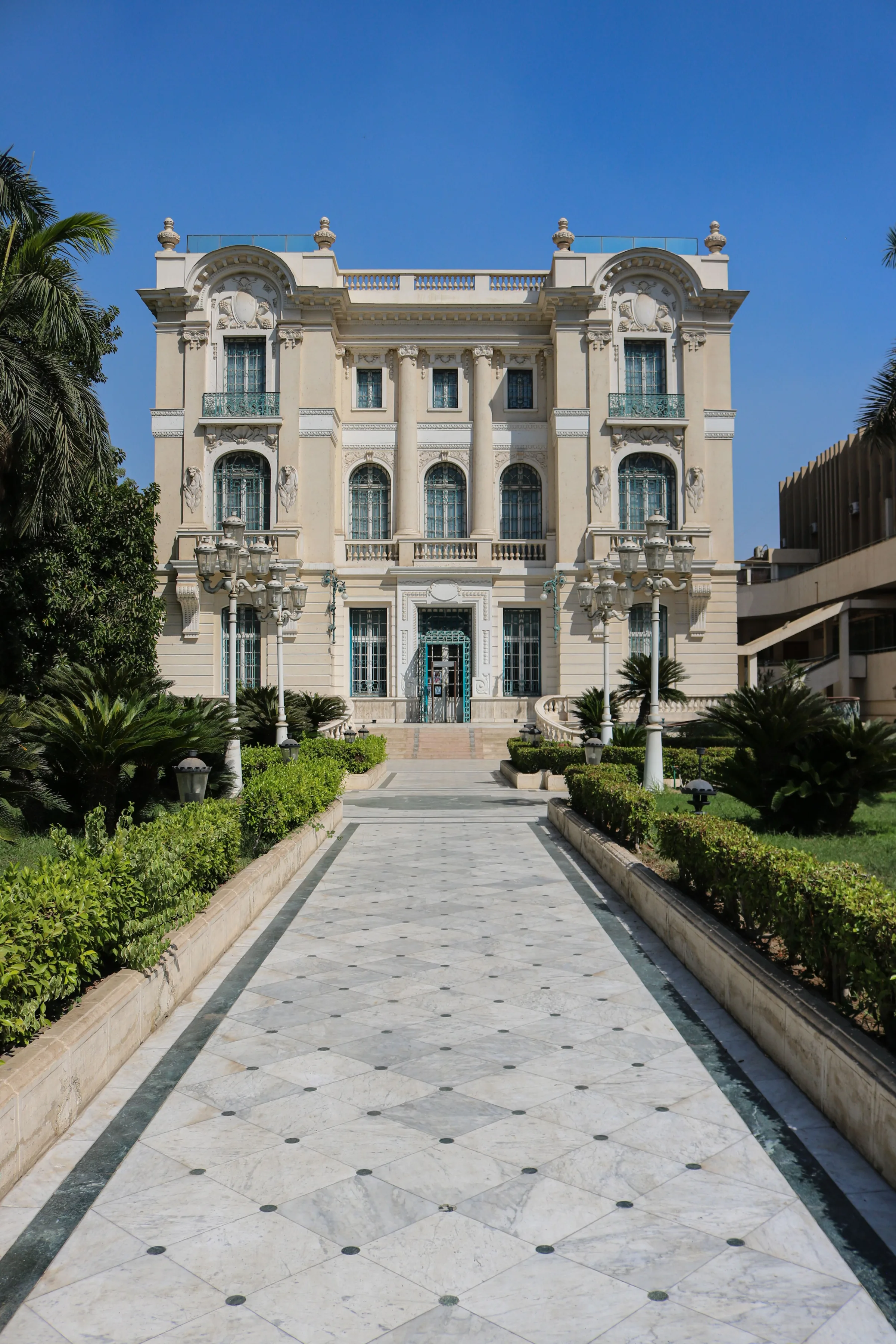
During Khedive Ismail’s era, the palace underwent extensive renovations that introduced opulent European architectural elements. Later in the 20th century, King Fuad I commissioned the celebrated Italian architect Verrucci to reconstruct major sections, forging a harmonious blend of Italian Renaissance and Ottoman palace styles.
Inside the Palace: Opulent Interiors & Royal Masterpieces
Stepping through the grand gates of Ras El Tin Palace transitions visitors straight into an era of unmatched royal extravagance:
- The Throne Hall & Ottoman Salons: Sweeping halls showcase intricate hand-carved wooden ceilings gilded in leaf gold, lit by towering Czech crystal chandeliers that cast radiant light across every corner.
- European-Inspired Architecture: Corridors lined with rare Italian marble echo classic French and Italian design, framing panoramic arched windows that open out to the Mediterranean.
- Exquisite Antiques & Royal Treasures: The rooms harbor rare wooden furniture inlaid with mother-of-pearl and ebony, grand antique mirrors in elaborate gilded frames, and ornate vintage clocks preserved from the monarchical era.
- Lavish Reception Suites: Royal salons are draped in heavy crimson silk and velvet tapestries, detailed with fine gold embroidery that reflects the royal lifestyle.
The Final Chapter of Egypt's Monarchy
Beyond its visual beauty, Ras El Tin Palace holds immense historical weight as the site of monarchy's final bow in Egypt. It was from its royal steps and grand halls that King Farouk officially abdicated, departing Egypt aboard the royal yacht El Mahrousa bound for Italy in July 1952. Today, the palace remains a glowing symbol of Alexandria’s architectural heritage and a must-visit destination for travelers seeking the grandeur of Egypt's royal past.